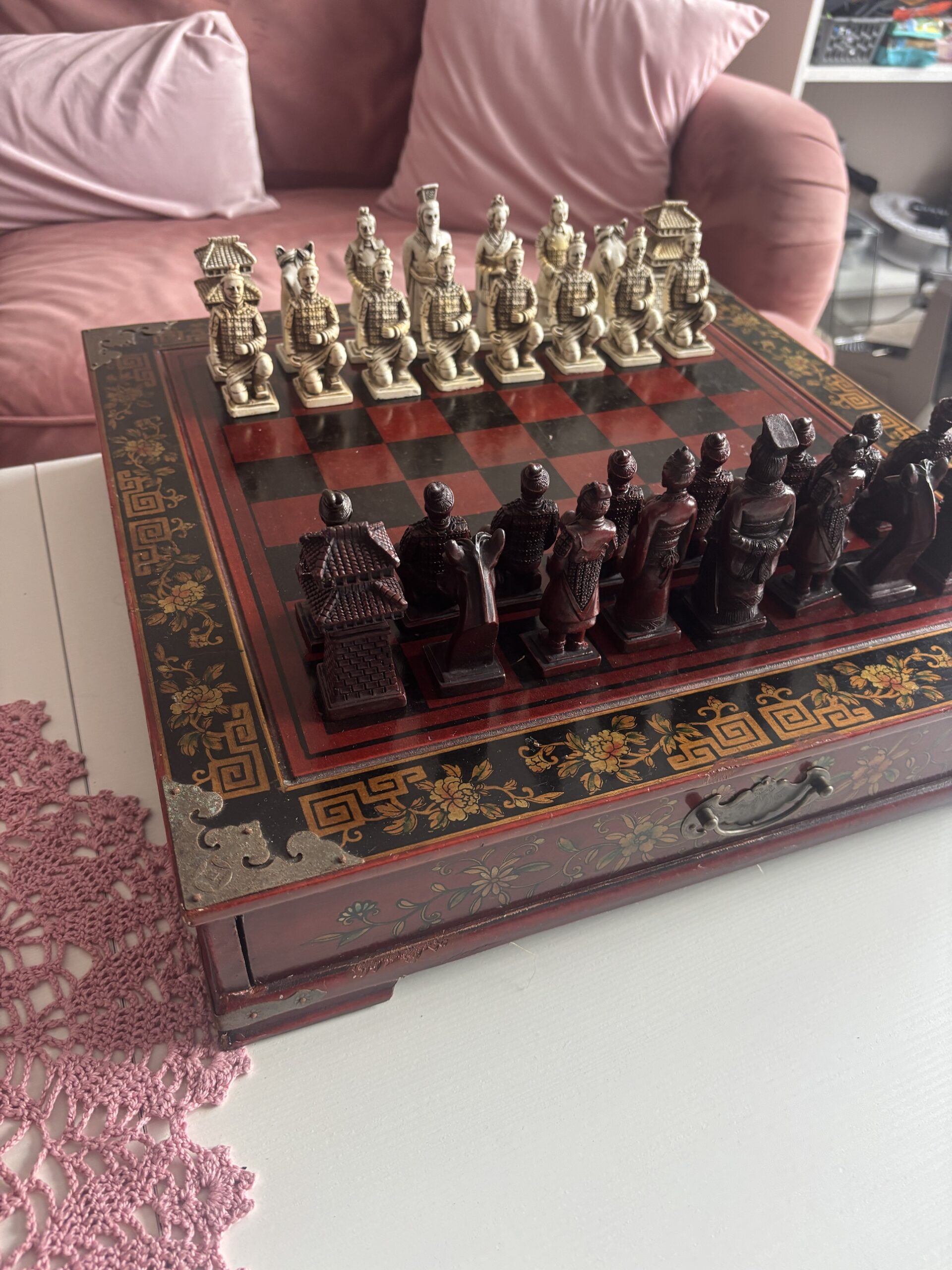
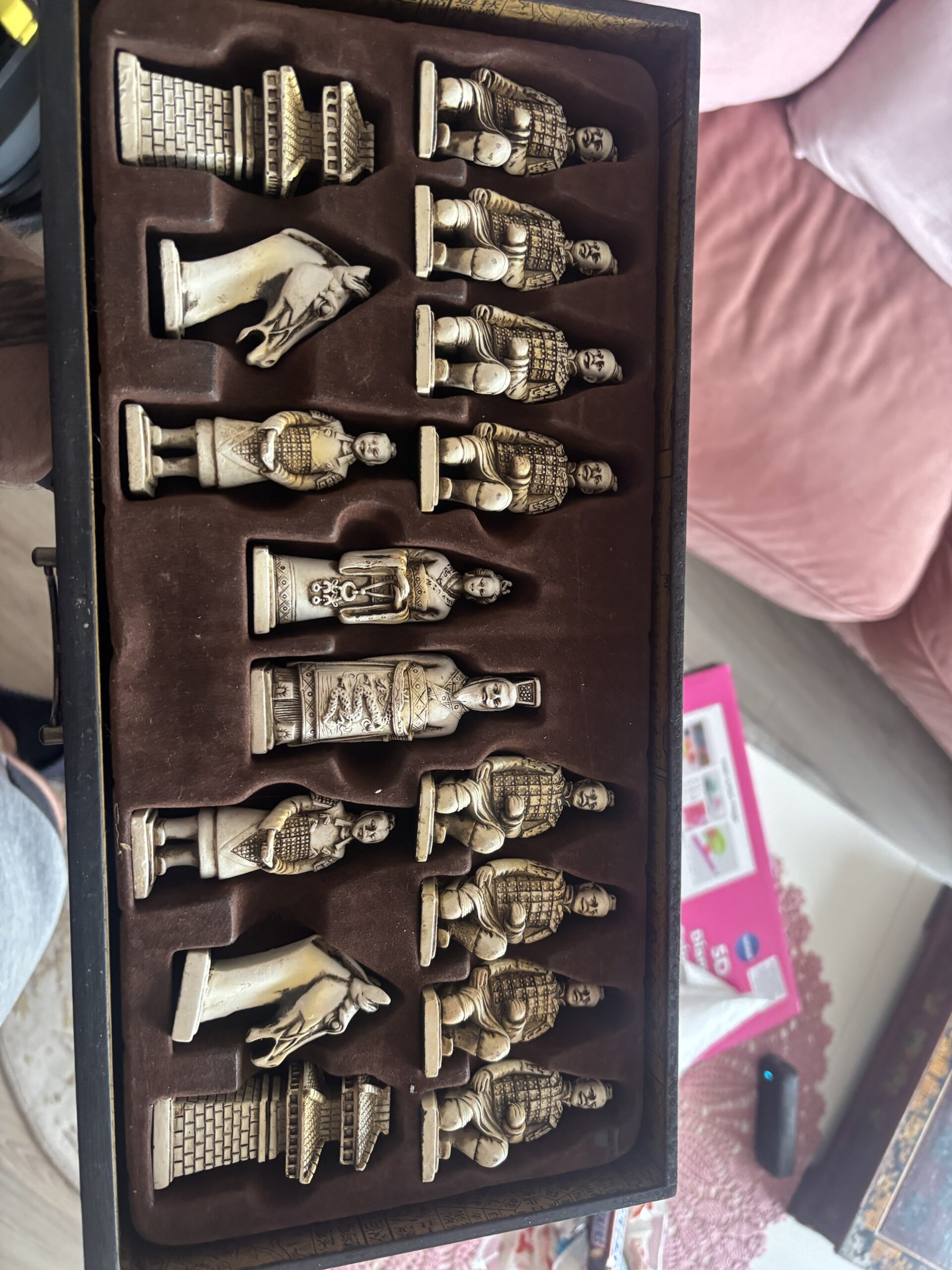
I picked up a vintage chess set second-hand for €20. It is genuinely good quality: a wooden board covered in Chinese decoration, with resin playing pieces modelled on the Terracotta Army. The reason it was that cheap was obvious the moment I opened it: one of the pieces had lost its head.
That is usually the end of the story for an old set. You cannot buy a single replacement part for something nobody has manufactured in decades. A set with a damaged piece is not a chess set any more, it is an ornament. Which is why sets like this turn up second-hand, priced as junk, next to sets that are complete and cost ten times as much.
Enjoying this report?
One email per experiment. Full numbers, no fluff.
The case for owning a printer, in one object
Most arguments for buying a 3D printer are about making things. This is a better one: it is about being able to buy broken things cheaply, because you are one of the few people for whom broken is fixable.
The printer turns a whole category of unwanted objects into things worth owning. Missing knobs, snapped handles, one absent piece from a set. None of those are manufacturing problems any more. They are an evening of modelling.
The hard part was not the printing
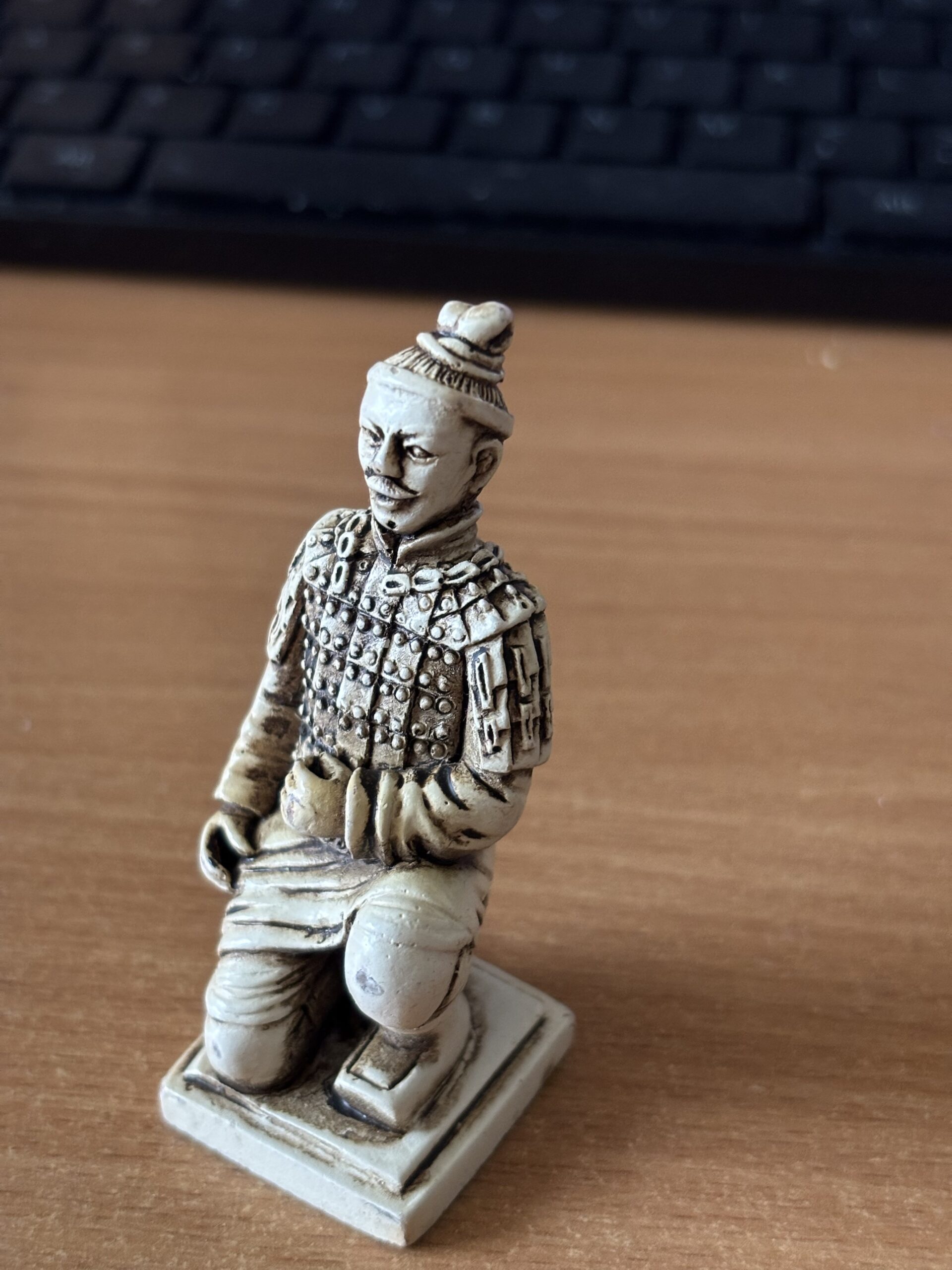
The method was simpler than people expect. I photographed an undamaged piece, fed the photo to an AI 3D model generator (hyper3d.ai), and got geometry for the missing part out of it. Printed it, glued it onto the broken piece, then painted it to bring the colour close to the originals.
Generating and printing the part was the straightforward half. The genuinely difficult part is that a freshly printed part looks freshly printed. Set it next to pieces handled for decades and the new one announces itself immediately: too clean, too even, too sharp at the edges. Paint is what closes that gap, and it is the step that decides whether the repair disappears or stands out.
In this case it disappeared. The printed head came out so close to the originals that you will not find it in any of the photos on this page.
Restoration people know this already and 3D printing people mostly do not. Matching age is a different skill from matching geometry, and it is the one that decides whether the repair disappears or stands out.
The full restoration
Worth trying yourself
If you own a printer, start looking at the damaged end of second-hand listings and flea market tables rather than the good end. The things nobody else can fix are priced as though they cannot be fixed. That gap is the whole opportunity, and it costs you filament and an evening.
The photo-to-model part of this, written up as a step-by-step alongside the lamp build: How to Turn a Photo Into a 3D Print (Two Real Projects).
The week’s 3D printing news in one email
Print Pulse is my free weekly 3D printing email: the week’s top news and new printers, a fix of the week, open design contests with prizes, and filament deals. Sign up and you also get my free 3D Print Cost Calculator spreadsheet. Unsubscribe any time.